







































Most children move from a cot to a toddler bed around their second or third year.
There’s no rush, though. If your child is happy in the cot, there are a few advantages to keeping them there a little longer. For example, your child can’t fall out of the cot. You can also put off the cost of a new bed and bedding for a while.
It’s also best to wait until your child is emotionally ready to move to a toddler bed and can safely get in and out of it.
Moving from a cot to a toddler bed sometimes brings new bedtime challenges, so think about when you’re ready to deal with them. One of the most common is that your child won’t stay in bed and keeps getting up. The sides of a cot keep your child inside, so they don’t start wandering around the room.
What to consider when moving from a cot to a toddler bed
• Children can move to a toddler bed once they can already climb out of their cot. They can also make the move if they need to use the toilet at night.
• Some families make the switch when a younger sibling needs the cot.
• When your child moves from a cot to a regular bed, check that the bedroom is safe so they won’t hurt themselves if they get out of bed in the dark.
• A safe toddler bed is designed for young children and includes a guard rail to stop them from rolling onto the floor at night.
• A regular sleep routine can help your child get used to sleeping in the new bed.
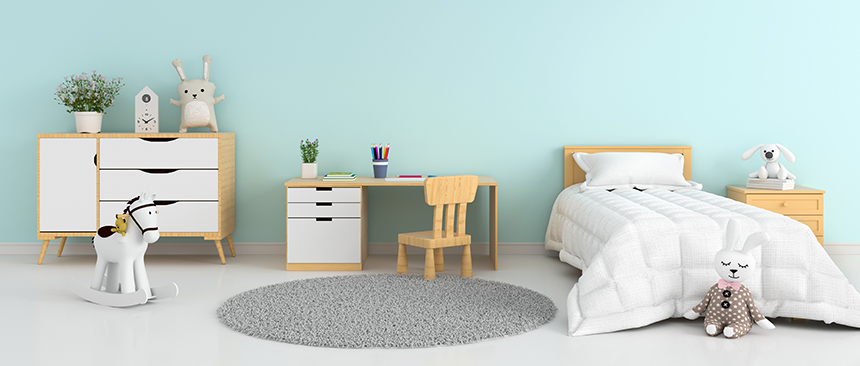
Why move from a cot to a toddler bed?
It may be time for your child to move to a toddler bed if:
• Your child has started climbing out of the cot and could fall.
• Your child uses the toilet and needs to be able to get to it at night.
• You have a new baby who needs the cot.
• You’ve decided it’s time for your child to stop sleeping in your bed.
Note: If you’re moving your child to a toddler bed to free up the cot for a new baby, try to do it a couple of months before the baby is born or once the baby is a couple of months old. That way, your child is less likely to feel they had to move because of the baby and to resent their new sibling. If your toddler isn’t ready to move out of the cot, you can also borrow or rent a second one.
Making your child’s bedroom safe
Once children move from a cot to a toddler bed, they can get out of bed more easily. That means they’re free to do whatever they like in their bedroom.
Checking that the bedroom is safe helps prevent accidents. For example:
• Fit safety locks to the windows so they can only be opened a little for ventilation. Make sure the gap is too small for your child to fit through.
• Wrap curtain and roller blind cords around cleats fixed to the wall at least 1.6 m above the floor. Keep all hanging cords and objects up out of your child’s reach. They can strangle your child.
• Use socket covers. Make sure electrical appliances and heaters meet safety standards. If it’s unsafe for your child to be near appliances such as heaters or steamers during the day, keep them out of the bedroom at night too. This helps prevent trips, burns and electric shocks if your child gets up at night.
• Where possible, secure furniture and other heavy objects to the wall so they can’t fall on your child.
• Keep anything that could cause choking or poisoning out of the bedroom. This includes massage and aromatherapy oils, medicines, cleaning products and small objects such as little toys, batteries and coins.
• Remove anything your child can climb on, such as chairs and ladders.
• Consider putting a safety gate across the doorway to your child’s room. Alternatively, close the door at night so that you can still hear your child if they need you. Otherwise, make sure the rest of the house is safe for your child in case they get up at night.
How to choose a child’s bed
When your child moves from a cot to a bed, you have a few options:
• At first, it may help to place the cot or child’s bed mattress on the floor instead of moving your child straight into a new bed. This reduces the risk of your child falling out of bed and getting hurt. Your child may also feel more secure.
• Start with a toddler bed. Toddler beds are usually the same size as cots, and some cots can even be converted into toddler beds. These beds reduce the risk of your child falling out and getting hurt. You can also keep using the cot mattress and bedding.
• Use a single bed. A standard single bed will last for years, although there’s a greater risk of injury if your child falls out.
Moving safely from a cot to a child’s bed
Whichever option you choose for moving from a cot to a bed, a little planning and a few simple precautions can help keep your child safe.
• Choose a fairly firm mattress.
• To reduce the risk of suffocation, keep a bed or mattress placed on the floor away from the walls.
• For very young children, consider going without a pillow. Pillows can pose a suffocation risk for toddlers. If your child uses a pillow, choose one that keeps their head and neck in line with their back (probably around 5–6 cm high).
• If you choose a standard single bed, use bed rails to help keep your child from falling out.
• Check the bed frame and rails for gaps where your child could get trapped. Make sure the mattress fits snugly in the frame. If there are lots of gaps, a mattress on the floor is a safer option until your child is older.
• Avoid heavy blankets in the bed. Keep the area around the bed or mattress clear. Remove soft toys, tiny toys and other small items nearby that could cause your child to choke or suffocate.
• If your child sleeps in a sleeping bag, consider whether to keep using it once they move to a bed. Sleeping in a sleeping bag in a larger bed increases the risk of falls and injuries. Consider using one-piece pyjamas to keep your child warm instead.
Tips to help your child settle into their new bed
Here are a few tips to help your child move from a cot to a bed:
• Tell your child how proud you are of them. After all, moving to a toddler bed is an exciting step towards becoming a big kid!
• Tell your child how you plan to set up the new toddler bed and make sure they know it’ll be fun.
• Let your child help you set up the new toddler bed. If that sounds like fun, take them shopping with you to choose the bed or bedding.
• Let your child watch as you move the bedroom furniture. Children usually feel happier about the move when they’ve had a say in it.
• If needed, let your child move to the toddler bed gradually. For example, let them set up their new bed in their room while they’re still using the cot. Or start with daytime naps in the toddler bed and keep using the cot at night.
• Why not throw a big-kid bed party to celebrate the move?
Bedtime routine tips for moving from a cot to a toddler bed
Moving to a bigger bed can make your child feel unsettled. A new bedtime routine can make the transition easier:
• Have some quiet time before bed. Put the toys away and make the bedroom a calm place to rest, with playtime winding down.
• Encourage your child to climb into the toddler bed on their own if they can. Letting children pull back the covers and arrange the pillows as they like can also help them feel more at ease when settling down in a new place.
• Let your child bring the blanket from their old cot. It may help them feel safer and more comfortable.
• Say goodnight. Tell your child what you expect during the night, such as staying in bed quietly, and what will happen next. Say something clear and positive, such as ‘It’s time to sleep. See you in the morning!’ This can make bedtime feel less scary.
• Try a reward chart to help your child get used to the new bedtime routine. They could earn a sticker for each step they complete before bed.
Some children get out of bed simply because they can! If that happens, help your child straight back into bed. Say something like ‘It’s time to sleep. See you in the morning.’ Then leave the room. You may need to do this several times before your child stays in bed or starts settling down to sleep.
We wish you and your child a peaceful bedtime!